Top Escape Room Themes
From bank heists to haunted asylums, what makes a theme truly immersive?
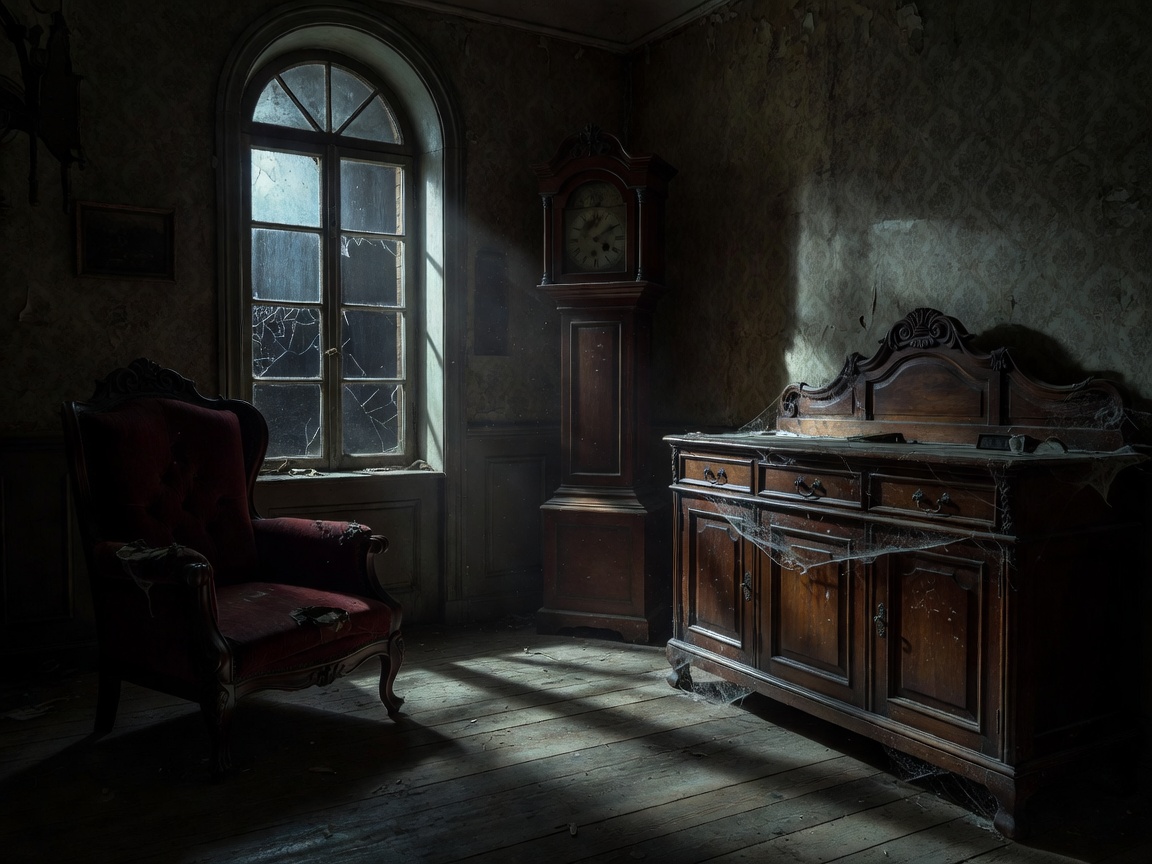
The Importance of Environmental Storytelling
The theme of an escape room is much more than mere set dressing; it provides the psychological context for everything the players do. A great theme justifies the presence of puzzles. If you are in a high-security bank vault, dealing with keypads, lasers, and biometric scanners makes logical sense. If you are in a rustic 18th-century cabin and encounter an electronic keypad, the suspension of disbelief is immediately broken. The best themes allow mechanics to blend seamlessly into the narrative.
The Detective's Office (The Classic)
Arguably the foundational theme of the industry, the 1940s noir detective office remains a staple for good reason. It immediately casts the players in the role of investigators, naturally aligning their goal (find clues to solve a mystery) with the core mechanics of an escape room. The setting naturally accommodates hidden compartments in heavy oak desks, encrypted notes slipped under doors, and blacklight clues mimicking forensic analysis.
The strength of this theme lies in its accessibility. It relies on logic and deduction rather than physical agility or high-tech wizardry, making it an excellent entry point for beginners and families.
The Serial Killer's Lair (Horror)
Horror themes leverage the psychological principles of stress and adrenaline to heighten the stakes. Whether escaping a fictional psychopath's basement or a zombie-infested laboratory, the presence of fear alters how players interact. Lighting is usually dim, soundscapes are oppressive, and jump scares may be employed.
The challenge with horror rooms is maintaining puzzle integrity under stress. When players are genuinely frightened, their cognitive abilities drop significantly. Therefore, puzzles in horror rooms must generally be simpler and more physical than those in well-lit, calm environments. The appeal here is the emotional rollercoaster, testing courage as much as intellect.
The Heist (Action-Oriented)
The heist theme flips the traditional script: instead of trying to break out, players are trying to break in. Stealing a diamond from a museum or cash from a casino vault offers a distinctly different emotional flavor. It promotes a feeling of subversion, slickness, and teamwork, often drawing heavy inspiration from popular cinema.
These rooms frequently employ technological puzzles, such as navigating laser mazes, hacking simulated computer terminals, or coordinating simultaneous button presses across the room to bypass security systems. The heist theme excels at making players feel incredibly cool and competent when executed correctly.
Historical and Period Pieces
Setting a room in an ancient Egyptian tomb, a medieval dungeon, or a pirate galleon requires significant investment in set design. The immersion relies heavily on the physical textures of the space—stone walls, heavy iron locks, and worn parchment.
The inherent difficulty of historical themes is avoiding anachronisms. Designers must be highly creative in hiding modern locking mechanisms behind period-appropriate facades. For example, a magnetic lock might be triggered by placing the correct weight of "gold" doubloons on a wooden scale. When successful, these rooms transport players completely out of their daily lives, offering unparalleled escapism.